
The Landscape of Contemporary Cricket
We understand that contemporary cricket is a high-performance sport shaped by speed, skill refinement, tactical intelligence, and athletic discipline. Across all formats, the modern game rewards players and teams that demonstrate technical precision, adaptability, and consistency. Cricket today is not defined by isolated brilliance but by collective excellence across batting, bowling, and fielding.
The modern era has elevated standards in preparation, execution, and match awareness. Teams that dominate international and domestic competitions consistently align their skills with structured strategies and flawless fundamentals.
Batting Excellence in Contemporary Cricket
Core Batting Fundamentals
We emphasize that elite batting performance begins with strong fundamentals. Contemporary batters are trained to maintain balance, head position, and stable footwork regardless of format. Technical clarity allows batters to respond effectively to pace, swing, seam, and spin.
Key batting foundations include:
-
Compact stance and alignment
-
Controlled backlift and bat path
-
Late contact under the eyes
-
Efficient weight transfer
These fundamentals ensure consistency and reduce dismissal risk under pressure.
Format-Specific Batting Approaches
We recognize that modern batters adapt seamlessly across formats.
In Test cricket, batters prioritize:
-
Defensive solidity
-
Shot selection discipline
-
Patience against high-quality bowling
-
Capitalizing on loose deliveries
In ODI cricket, success is driven by:
-
Innings pacing
-
Strike rotation during middle overs
-
Boundary targeting in powerplays
-
Calculated acceleration at the death
In T20 cricket, batters focus on:
-
Strike rate optimization
-
Boundary access across the field
-
Innovative shot execution
-
Reading match-ups effectively
Innovative Shot-Making and Range
We acknowledge that contemporary batting is defined by expanded shot ranges. Modern batters confidently employ shots such as the reverse sweep, ramp, scoop, and switch hit. These strokes are executed with precision rather than improvisation, forcing bowlers to adjust lengths and fields.
Bowling Excellence in the Modern Game
Fast Bowling: Control and Variation
We observe that contemporary fast bowlers combine pace, movement, and intelligence. Raw speed alone is no longer sufficient. Success comes from accuracy, adaptability, and execution under pressure.
Elite fast bowlers excel in:
-
Maintaining consistent line and length
-
Using seam position effectively
-
Deploying cutters and slower balls
-
Executing yorkers in decisive moments
Workload management and conditioning are integral to sustaining peak performance across formats.
Spin Bowling: Precision and Deception
We regard spin bowling as a critical weapon in contemporary cricket. Modern spinners rely on variation, control, and tactical awareness rather than excessive turn.
Effective spin bowlers demonstrate:
-
Flight and pace variation
-
Crease utilization
-
Change of release points
-
Reading batter intent
Spinners play a decisive role in controlling run rates and creating wicket-taking opportunities.
Bowling as a Collective Unit
We stress that bowling excellence is achieved through partnerships and plans. Bowlers operate within structured strategies, building pressure collectively rather than chasing individual success.
Fielding Excellence: The Modern Differentiator
Athleticism and Skill Standards
We affirm that fielding excellence is a non-negotiable requirement in contemporary cricket. Matches are frequently decided by a single catch, stop, or run-out. Modern fielders are elite athletes trained for speed, agility, and reflexes.
Key fielding competencies include:
-
Explosive acceleration
-
Low catching technique
-
Accurate throwing under pressure
-
Quick release and anticipation
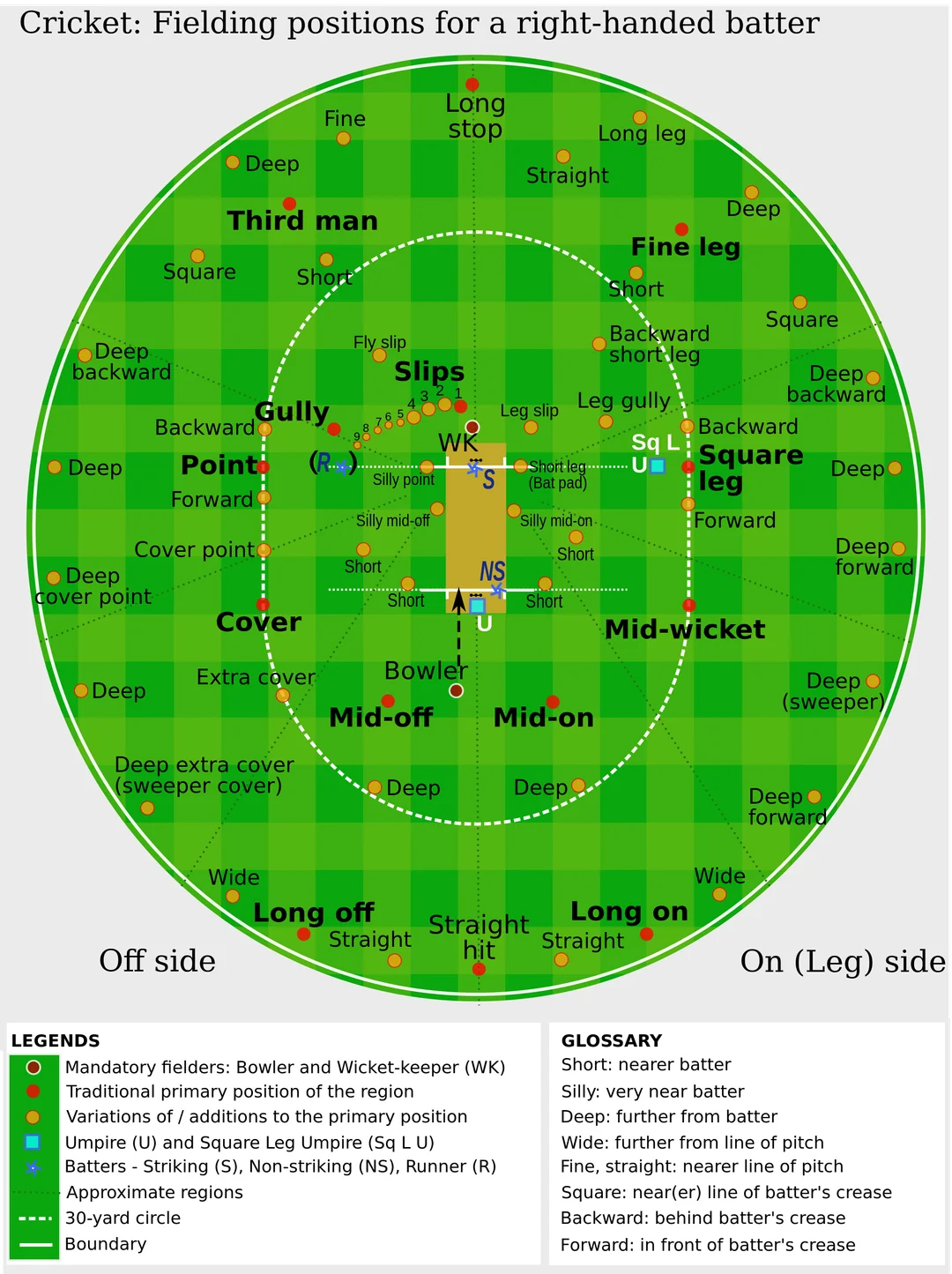
Fielding Positions and Tactical Awareness
We recognize that fielders are placed with precision, aligned with bowling plans and batter tendencies. Awareness, communication, and positioning maximize defensive efficiency and wicket opportunities.
All-Rounders and Team Balance
The Value of Multi-Skilled Players
We emphasize the importance of all-rounders in contemporary cricket. Players who contribute with both bat and ball provide strategic flexibility and balance to the playing XI.
All-rounders enable:
-
Deeper batting line-ups
-
Flexible bowling rotations
-
Dynamic field placements
-
Improved match adaptability
Teams built around versatile players consistently outperform rigid combinations.
Leadership and Tactical Intelligence
The Role of the Modern Captain
We recognize that contemporary captains are tactical leaders who balance instinct with analysis. Leadership involves clear communication, calm decision-making, and trust in defined roles.
Successful captains demonstrate:
-
Situational awareness
-
Proactive field adjustments
-
Effective bowling changes
-
Emotional control under pressure
Game Awareness and Momentum Management
We stress that understanding momentum shifts is critical. Teams that recognize key phases of play respond decisively and maintain control.
Fitness and Physical Preparation
Strength, Endurance, and Mobility
We observe that modern cricketers follow structured fitness programs emphasizing strength, stamina, agility, and recovery. Physical preparation supports sustained performance and injury prevention.
Key fitness components include:
-
Functional strength training
-
Cardiovascular endurance
-
Flexibility and mobility work
-
Recovery and load management
Mental Conditioning and Competitive Focus
Consistency Under Pressure
We emphasize that mental strength defines elite performance. Contemporary players train to remain composed in high-pressure situations through routine development, focus techniques, and visualization.
Mental conditioning supports:
-
Decision clarity
-
Confidence maintenance
-
Error recovery
-
Sustained concentration
Technology, Data, and Performance Analysis
We acknowledge that technology and analytics play a central role in contemporary cricket. Teams analyze data to refine strategies, improve skills, and exploit match-ups.
Key analytical tools include:
-
Video analysis platforms
-
Ball-tracking technology
-
Performance metrics and heat maps
-
Player workload monitoring
These insights enhance preparation and execution at every level.
Conclusion: Mastering Batting, Bowling, and Fielding Excellence
We conclude that contemporary cricket excellence is achieved through the integration of technical mastery, tactical intelligence, physical conditioning, and mental resilience. Teams that commit to batting precision, bowling discipline, and elite fielding standards establish consistent dominance across formats. Success in the modern game belongs to those who prepare thoroughly and execute relentlessly.